Minimalist Home Decor Ideas for Small Spaces
Living in a small space doesn’t mean you have to sacrifice style or comfort. In fact, minimalist home decor is perfect for small spaces, as it maximizes functionality while maintaining a clean, airy aesthetic. By focusing on simplicity, storage, and thoughtful design, you can create a peaceful, uncluttered environment. Here are some minimalist home decor ideas for small spaces to help you make the most of your home.
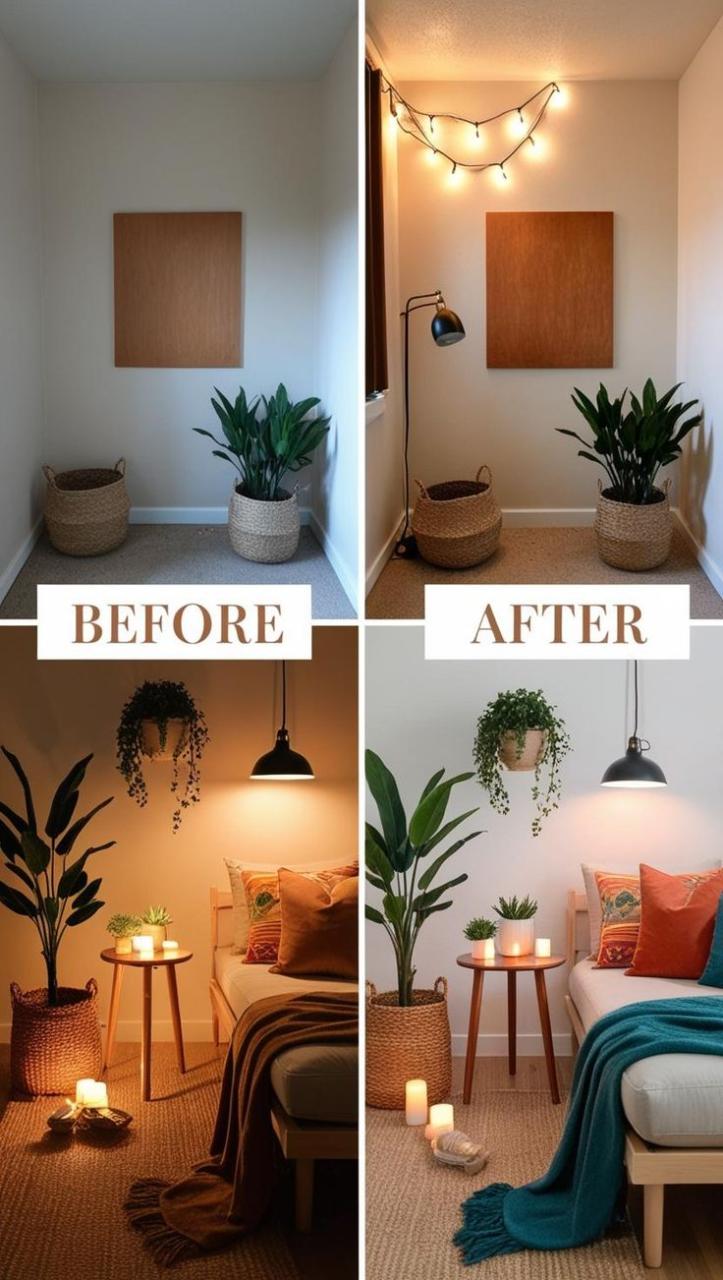
1. Opt for Neutral Colors
Neutral colors like whites, grays, beige, and soft pastels are key to minimalist design, especially in small spaces. These colors help open up the room and make it feel larger, brighter, and more inviting. Paint your walls and ceilings in light shades to enhance the feeling of openness. You can also incorporate accents in darker shades or metallics (like gold or silver) to add contrast without overwhelming the space.
2. Choose Multi-Functional Furniture
In small spaces, it’s important to make every piece of furniture serve multiple purposes. Look for furniture that is both functional and stylish, such as a sofa that doubles as a bed or a coffee table with built-in storage. Foldable or stackable furniture is also a great space-saver. For example, a wall-mounted desk or a fold-away dining table can be hidden away when not in use, leaving more floor space to move around.
3. Use Floating Furniture and Shelves
Floating furniture is a game-changer in small spaces. Wall-mounted shelves, floating nightstands, and even a floating vanity create more visible floor space, making the room feel more open and less cluttered. These items allow you to store or display essentials without taking up precious floor space, and they give the room an airy, sleek look that’s typical of minimalist design.
4. Declutter and Embrace Empty Space
Minimalism is all about keeping things simple and functional. Avoid overcrowding your space with unnecessary furniture or decor items. Instead, embrace the empty space to create a sense of calm and openness. Keep only the essentials, and store away items that are not in frequent use. Invest in storage solutions that help you keep things organized, such as under-bed storage or storage ottomans.
5. Prioritize Natural Light
Natural light is one of the best ways to make a small space feel larger and more open. Keep window treatments simple—opt for sheer curtains or blinds that allow plenty of light to flow through. If privacy is a concern, consider frosted glass or window films that let in light while still providing coverage. Use mirrors to reflect light and create the illusion of more space, especially in darker corners of the room.
6. Use Simple, Clean-Lined Furniture
When choosing furniture for a minimalist space, focus on simple, clean-lined designs with minimal ornamentation. Opt for pieces that have sleek silhouettes and avoid bulky, overdecorated furniture. Think of low-profile sofas, streamlined coffee tables, and minimalist storage units. This style of furniture helps maintain a sense of openness and prevents the space from feeling crowded.
7. Invest in Statement Pieces
While minimalist spaces tend to be uncluttered, this doesn’t mean your decor has to be boring. Instead of filling the room with a lot of smaller items, invest in a few statement pieces that draw attention and elevate the space. This could be a bold piece of artwork, a sculptural lamp, or a unique piece of furniture. One or two well-chosen pieces can add personality and style without overwhelming the room.
8. Maximize Vertical Space
In a small space, you can make use of vertical space by hanging decor and storage higher up. Wall-mounted racks, shelves, and hooks help you organize items without taking up valuable floor space. You can also hang large pieces of art or mirrors to draw the eye upward, making the room feel taller and more expansive.
9. Use Hidden Storage Solutions
Minimalist home decor thrives on clean, clutter-free surfaces. To achieve this, use hidden storage solutions to keep your space organized. Consider storage benches, under-bed storage, or furniture with built-in drawers. Floating shelves with concealed compartments are also a great way to store everyday items while maintaining a minimalist aesthetic. Keep your space tidy, and make sure everything has a designated place to reduce visual clutter.
10. Incorporate Plants for Life and Freshness
Bringing in plants adds a touch of life and color to a minimalist space. Choose low-maintenance plants that don’t require a lot of space, such as succulents, snake plants, or pothos. Plants not only purify the air but also add a natural element to the room. You can use minimalist planters or hang plants in simple, sleek pots to keep the decor clean and uncluttered.
Conclusion
Minimalist home decor is all about making the most of your space while keeping it simple, functional, and aesthetically pleasing. In a small space, focus on neutral colors, multi-functional furniture, and clever storage solutions to create an open, airy environment. With the right approach, you can create a minimalist home that feels spacious, calm, and stylish, no matter the size of your living area.