Best Materials For Outdoor Garden Pathways
Best Materials for Outdoor Garden Pathways
Creating a beautiful outdoor garden pathway is an essential aspect of landscape design. The choice of materials can significantly impact not only the aesthetic appeal but also the functionality and durability of the pathway. There are various materials available, each offering distinct characteristics that cater to different styles and budgets. In this article, we will explore the best materials for outdoor garden pathways, discussing their benefits, drawbacks, and suitable applications.
Material Characteristics
When selecting the right material for your garden pathway, it’s crucial to understand the unique attributes each option brings. Here are some commonly used materials along with their characteristics:
| Material | Durability | Cost | Maintenance |
|---|---|---|---|
| Natural Stone | High | Expensive | Low |
| Concrete | High | Moderate | Medium |
| Gravel | Medium | Low | High |
| Brick and Paver | High | Moderate to High | Medium |
| Wood | Medium | Moderate | High |
Each material has its own set of advantages and drawbacks. Understanding these factors can help you make an informed decision that aligns with your garden’s design and your personal preferences.
Natural Stone Pathways, Best materials for outdoor garden pathways
Natural stone pathways are a classic choice that adds elegance and charm to any garden. Common types of natural stones include flagstone, slate, and granite. The selection of the right stone should reflect the theme and style of your garden. For instance, smooth slate works well in a modern garden, while rugged granite fits a more rustic aesthetic.When installing a natural stone pathway, it’s essential to prepare a solid foundation.
This involves compacting the soil and adding a layer of gravel to ensure stability. Proper spacing between stones can also enhance drainage and reduce weed growth.
Concrete Pathways
Concrete is an excellent material for garden pathways due to its strength and versatility. One of the main advantages of using concrete is its ability to withstand various weather conditions without deteriorating. To pour and finish concrete for outdoor use, follow these steps:
- Prepare the site by clearing any debris and leveling the ground.
- Build forms using wooden boards to Artikel the pathway shape.
- Mix the concrete according to the manufacturer’s instructions.
- Pour the concrete into the forms and spread it evenly.
- Smooth the surface with a trowel and allow it to cure for at least 24 hours.
For decorative finishes, consider techniques like stamping or staining to create a unique look.
Gravel Pathways
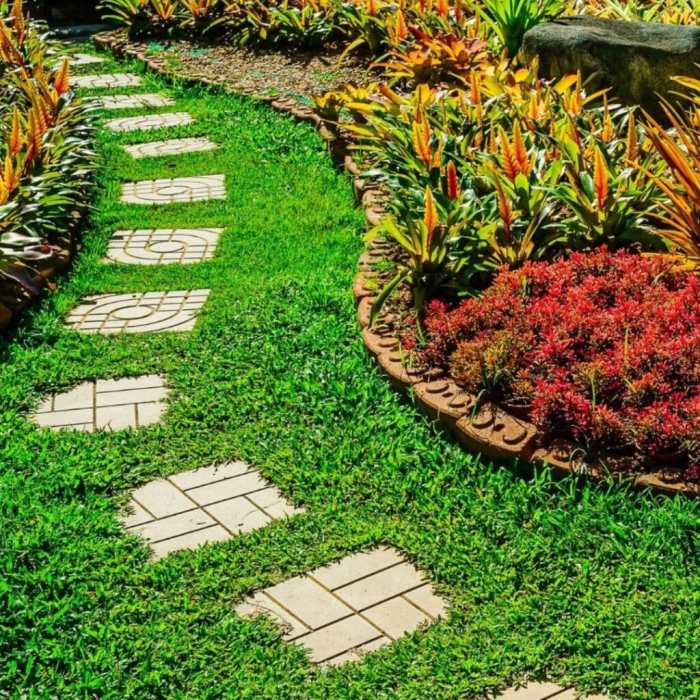
Gravel is a popular choice for its affordability and ease of installation. It provides good drainage and can be shaped to fit various garden designs. However, it’s essential to choose the right type of gravel, such as crushed stone or pea gravel, for optimal results. When installing a gravel pathway, follow these steps:
- Define the path’s Artikel with stakes and string.
- Excavate the area to a depth of about 3-4 inches.
- Add a landscaping fabric to prevent weed growth.
- Fill the area with gravel and level it as needed.
Maintenance is crucial to keep gravel pathways looking their best. Here are some tips:
- Regularly rake the gravel to maintain an even surface.
- Remove weeds promptly to prevent them from taking root.
- Add fresh gravel as needed to fill in any low spots.
Brick and Paver Pathways
Bricks and pavers offer a timeless appeal and can be laid in various patterns to enhance the aesthetic of your garden. They are durable and can withstand high foot traffic. To lay bricks or pavers effectively, follow this method:
- Mark the pathway Artikel and excavate to a depth of 6 inches.
- Create a compacted base using sand or gravel.
- Lay the bricks in your chosen pattern, ensuring they are evenly spaced.
- Fill the joints with sand and compact it to secure the bricks.
Maintaining brick and paver pathways involves regular cleaning and re-sanding the joints to prevent weed growth.
Wood and Mulch Pathways
Wood can add a warm and natural feel to your garden pathways. Suitable types of wood include cedar and redwood, known for their resistance to decay. While wood pathways are aesthetically pleasing, they require regular maintenance to prevent rot and insect damage.To create a wooden pathway:
- Choose treated wood or naturally rot-resistant lumber.
- Cut the wood into uniform lengths and lay them side by side.
- Use gravel or mulch to fill the gaps for added support and drainage.
Maintaining a wood pathway involves sealing the wood regularly and checking for any signs of decay or damage.
Innovative Materials for Pathways
Eco-friendly and innovative materials are gaining popularity in garden pathway design. Options such as recycled rubber, composite decking, and permeable paving stones offer sustainability and unique aesthetics. Incorporating recycled materials into your pathways not only reduces waste but also contributes to a more environmentally friendly garden.Here are some creative ideas for using non-traditional materials:
- Use old concrete pieces to create a mosaic pathway.
- Incorporate glass bottles or tiles for a colorful effect.
- Utilize reclaimed wood for a rustic look.
Pathway Design Considerations
When designing a garden pathway, several factors should be considered. The natural flow of the garden and accessibility for all users are paramount. Ensure that the pathway complements the overall garden design and enhances the landscape’s beauty.Utilize layout planning tools to visualize how your pathway will fit into the garden space. For effective pathway designs, consider examples such as:
- Curved pathways that lead to a focal point, such as a garden bench or sculpture.
- Straight pathways that create a sense of order in a formal garden layout.
- Winding paths that meander through a natural landscape, encouraging exploration.
By thoughtfully selecting materials and considering your garden’s design, your outdoor pathway can become a stunning feature that enhances both function and aesthetics.