How To Choose The Right Garden Layout
Understanding Garden Layouts: How To Choose The Right Garden Layout
How to choose the right garden layout – Creating the right garden layout is essential for a successful gardening experience. A well-planned garden layout not only enhances the beauty of your space but also promotes healthy plant growth and eases maintenance. By understanding the various types of garden layouts, you can select one that aligns with your gardening goals and the unique characteristics of your space.There are several types of garden layouts, each catering to different gardening styles and preferences.
Typically, layouts can be categorized into formal, informal, raised beds, container gardening, and vertical gardens. The significance of garden layout lies in its ability to optimize space, sunlight exposure, and access to water, which are crucial for plant health. Common elements found in different garden layouts include paths, seating areas, raised beds, and focal points, all of which contribute to the overall functionality and aesthetic appeal of the garden.
Assessing Space and Environment
Evaluating the available space is the first step in determining the most suitable garden layout. Factors such as overall size, shape, and topography of the area must be considered. Understanding sunlight and shade patterns is essential, as these will dictate what plants can thrive in your garden. To assess soil quality and drainage conditions, you can conduct a simple test by digging a hole and filling it with water to see how quickly it drains.
This can help you determine if amendments are needed for optimal plant growth.
Identifying Gardening Goals
Identifying personal gardening goals is crucial for creating a layout that meets your needs. Whether you’re looking to grow vegetables, create a flower bed, or establish a wildlife garden, your objectives will guide your design choices. Aligning your garden layout with specific gardening intents is key to enhancing the productivity and beauty of your garden.For instance, if your goal is to cultivate a vegetable garden, you might opt for raised beds arranged in a grid pattern to maximize space.
In contrast, a flower garden may benefit from a more organic layout with curvy paths and planted borders. Different layouts can support these varying intents effectively.
Designing with Functionality
Incorporating paths, seating, and other functional elements into your garden layout will enhance both accessibility and ease of maintenance. Paths can facilitate movement through the garden, while seating areas provide spaces for relaxation and enjoyment. A well-designed layout should also promote accessibility, making it easy to tend to plants and harvest produce. Consider integrating water features or focal points, such as sculptures or benches, to create visual interest and draw the eye throughout the space.
Plant Selection and Arrangement, How to choose the right garden layout
Choosing plants based on your chosen layout is vital. Different layouts will suit different types of plants, so selecting compatible species will ensure a thriving garden. For aesthetic appeal, arranging plants in groups based on height, color, and bloom time creates visual impact and harmony.Here’s a table of ideal plant combinations for various garden layouts:
| Garden Layout | Plant Type | Examples |
|---|---|---|
| Vegetable Garden | Annuals | Tomatoes, Peppers, Lettuce |
| Flower Bed | Perennials | Roses, Lavender, Coneflowers |
| Container Garden | Compact Varieties | Herbs, Succulents, Dwarf Tomatoes |
Seasonal Considerations
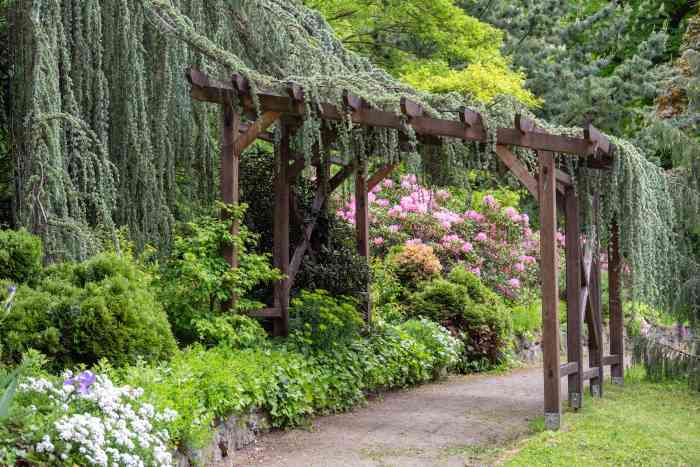
Designing a garden layout that accommodates seasonal changes is crucial for long-term success. Understanding the seasonal growth patterns of your selected plants helps to determine when to plant and when to rotate crops. Incorporating plant rotation and crop planning into your layout design can also improve soil health and reduce pest issues. Organizing your planting timeline based on the layout ensures that your garden remains productive and vibrant throughout the seasons.
Budgeting for Garden Layouts
Budgeting for a garden layout project requires careful planning. Establish a budget that accounts for plants, materials, and any professional help you may need. Cost-effective techniques, such as using recycled materials or DIY projects, can help stretch your budget further while still achieving a beautiful result.A comparison table of various garden elements costs can help inform your budgeting process:
| Garden Element | Average Cost |
|---|---|
| Plants | $50 – $200 |
| Soil and Amendments | $20 – $100 |
| Hardscaping Materials | $100 – $500 |
Sustainability in Garden Design
Incorporating sustainable practices into your garden layout is increasingly important. Native plants typically require less water and maintenance, making them an excellent choice for eco-friendly gardening. Using eco-friendly materials, such as sustainably sourced mulch and organic fertilizers, can further enhance your garden’s sustainability. Methods for conserving water and energy in garden layouts include implementing rain gardens, drip irrigation systems, and using mulch to retain soil moisture.
These strategies contribute to a healthier environment while providing a beautiful and productive garden space.